Japanese homeware

Kakumei

Japanese homeware, selected in Japan and imported directly by us. James visits Japan to choose what we carry.

Banner Image

On the table this week

 
Kutani Colored Drawing x Wakasa Lacquer Chopsticks 23cm
 
Kutani Colored Drawing x Wakasa Lacquer Chopsticks 21cm
 
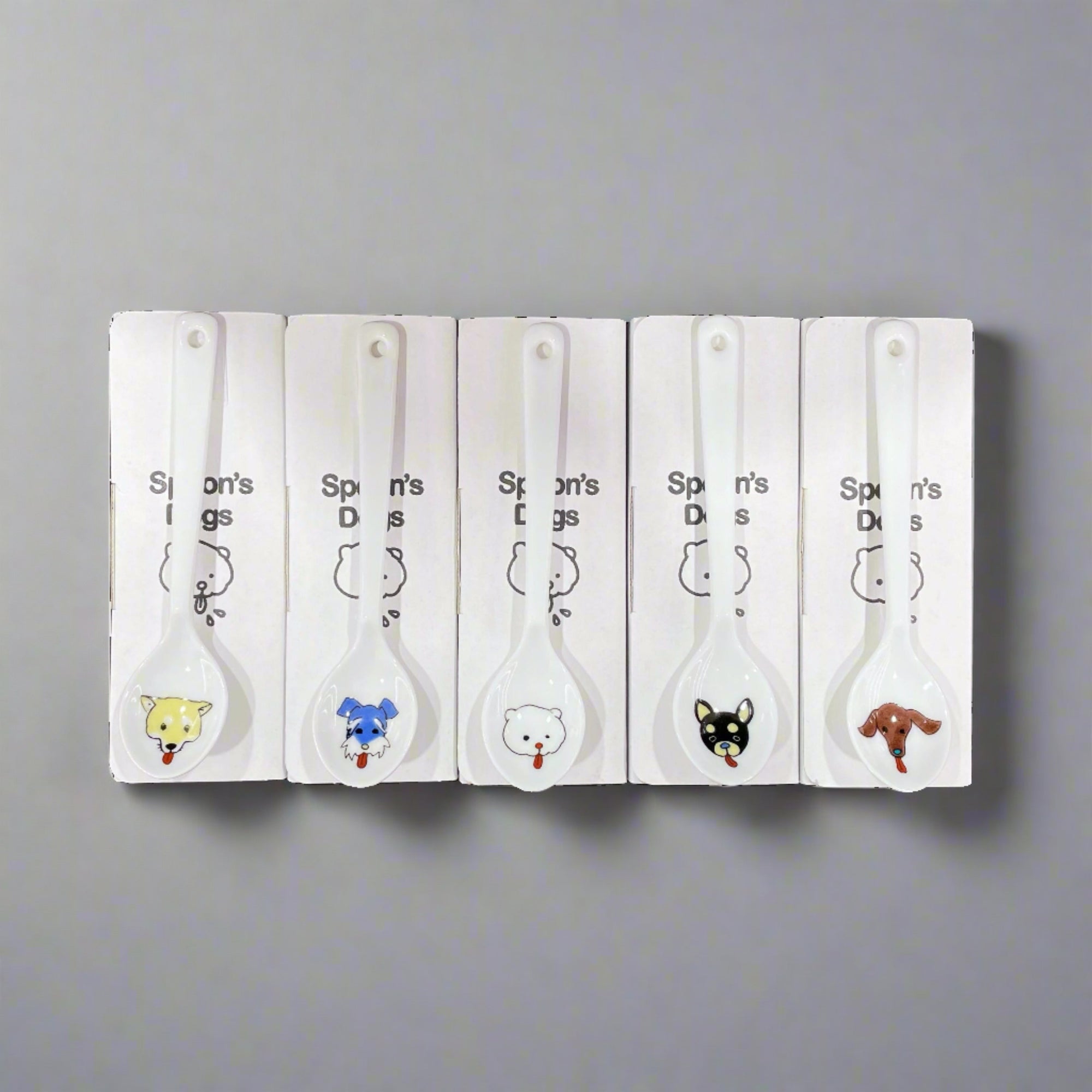
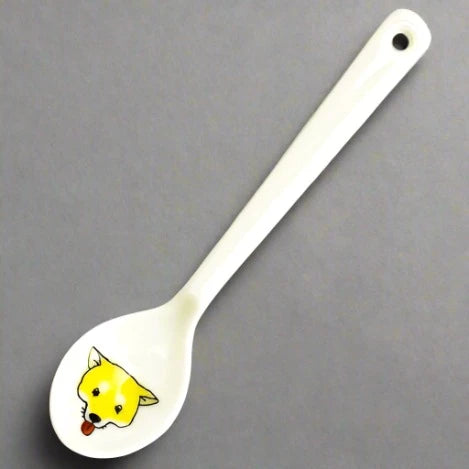
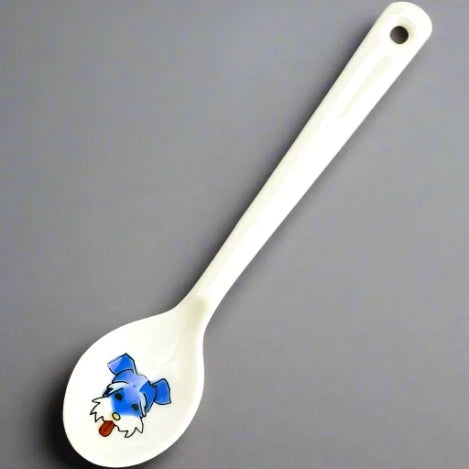
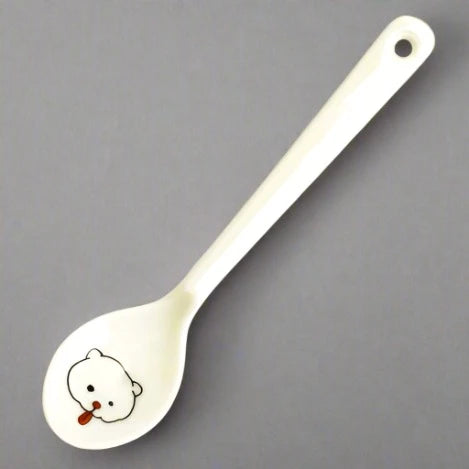
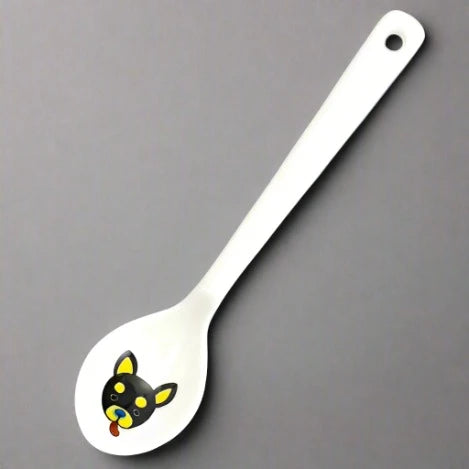
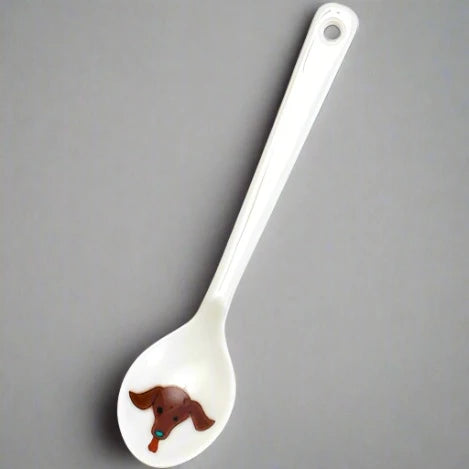
Kutani-ware Ceramic Dog Spoon - 5 types

From the bench

Edo Kiriko

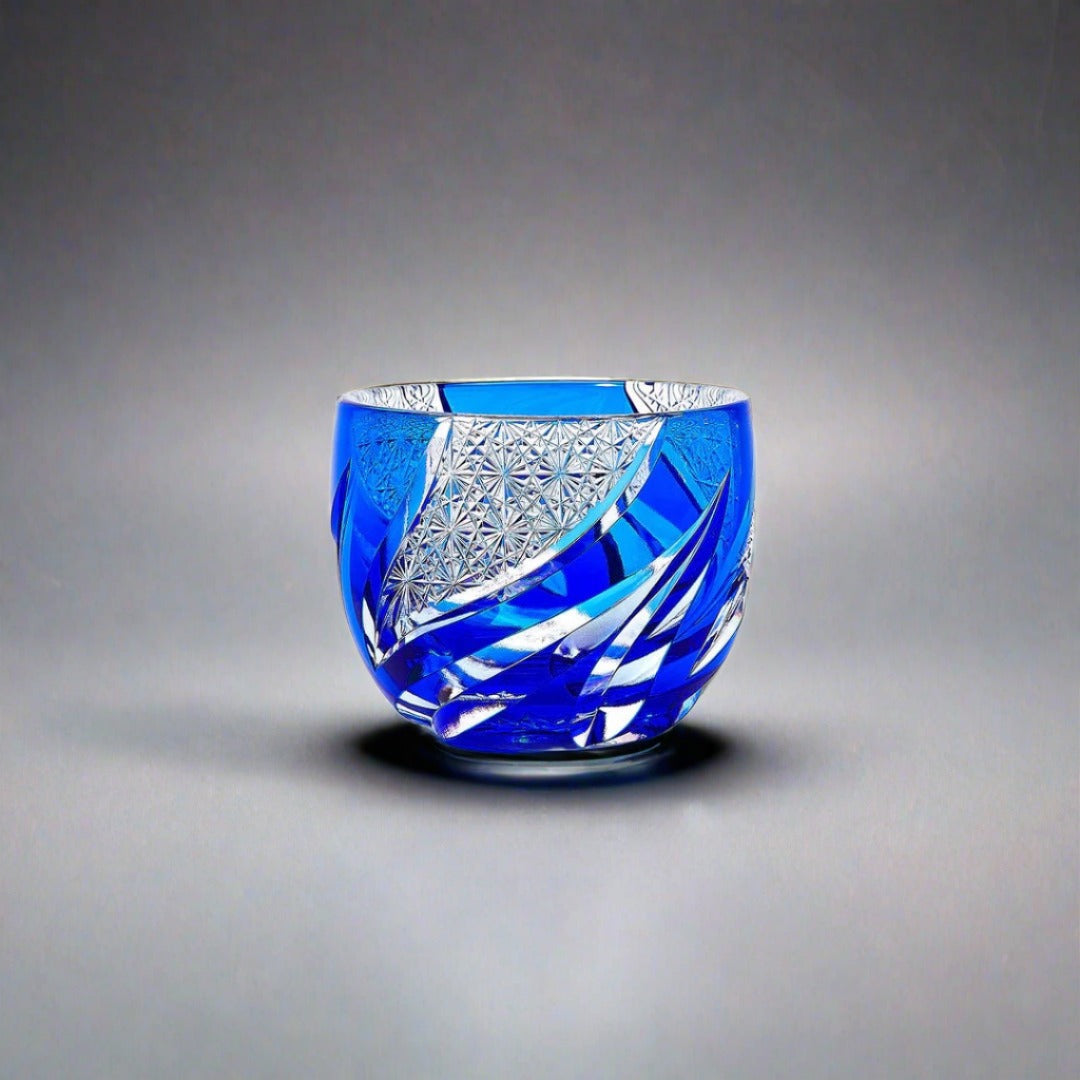
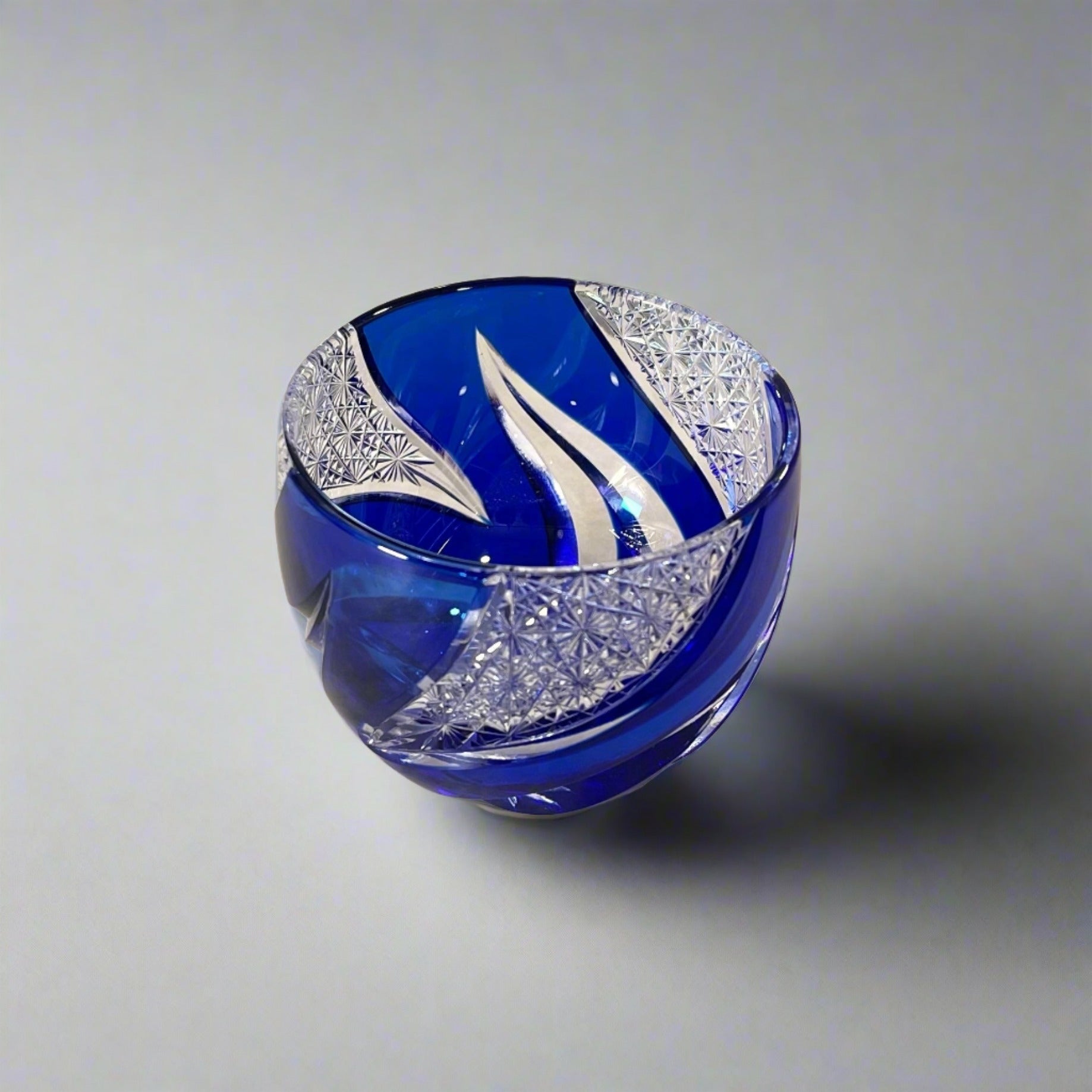
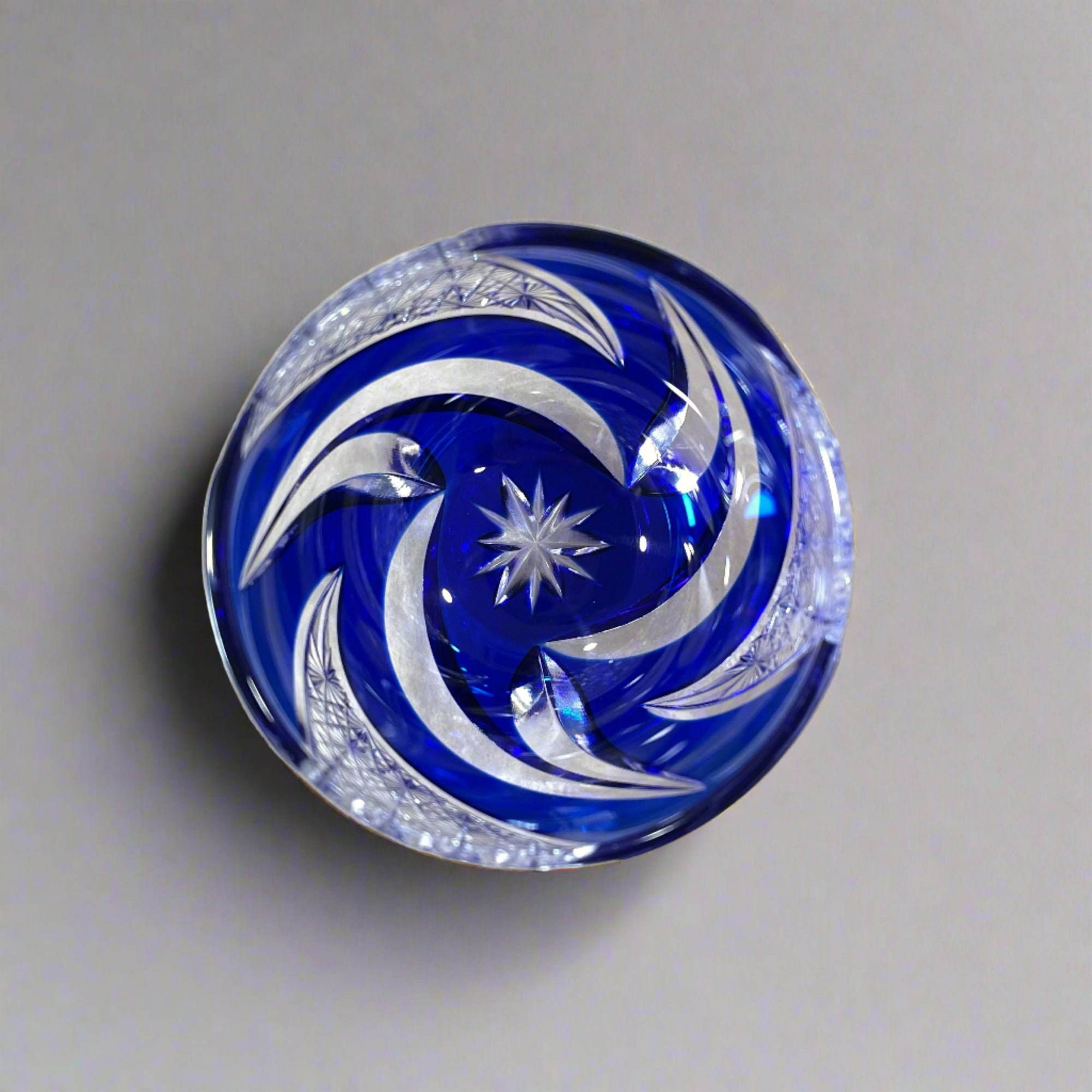
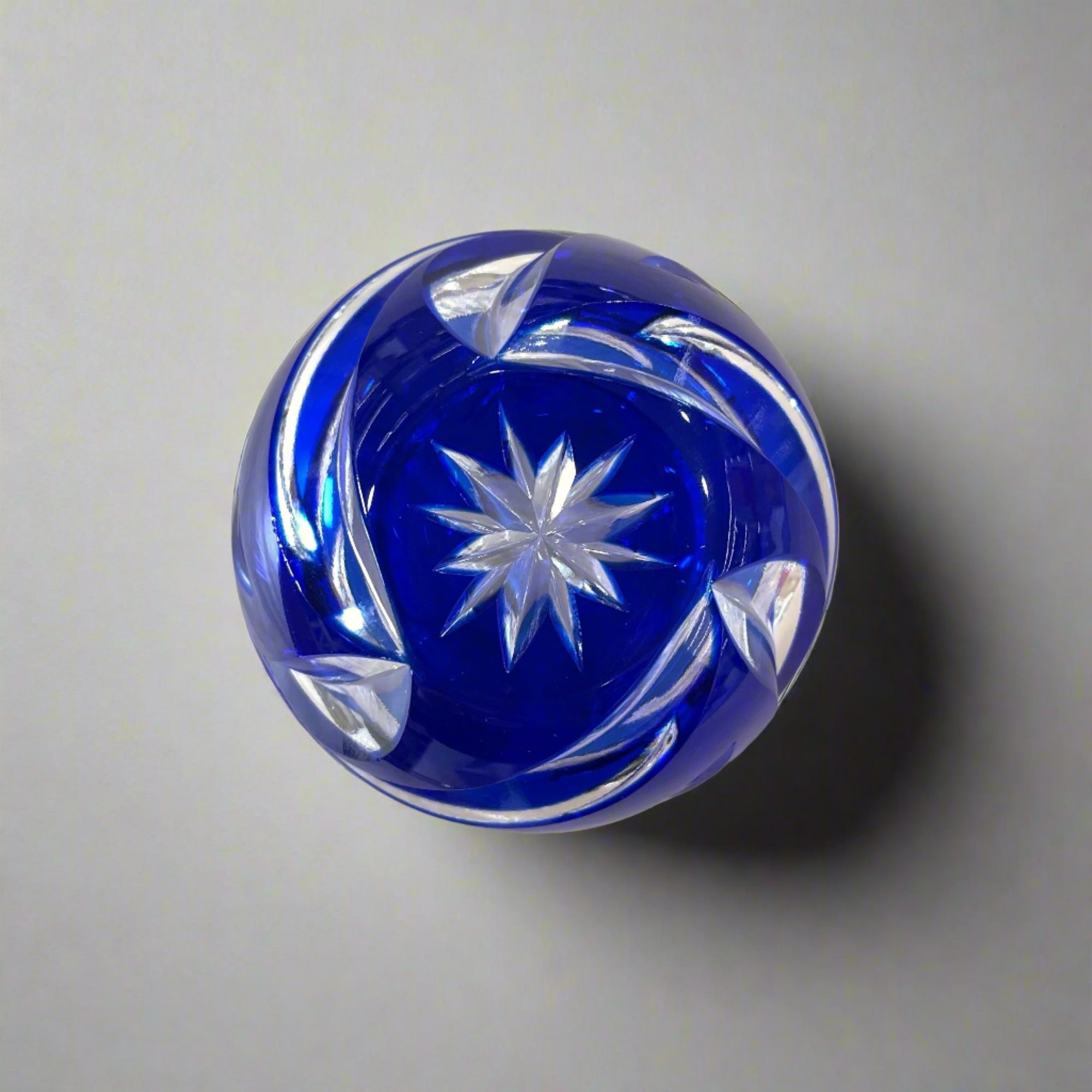
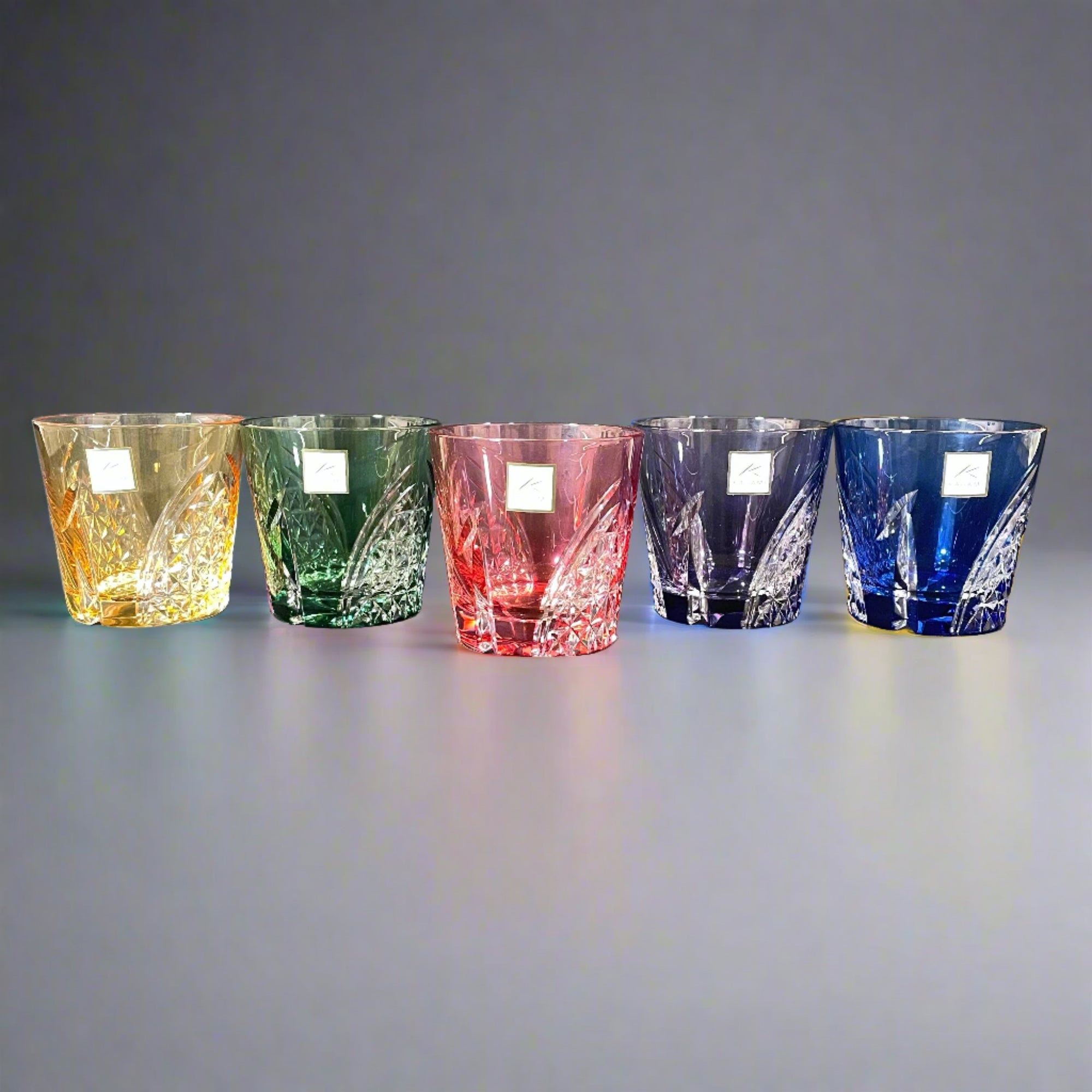
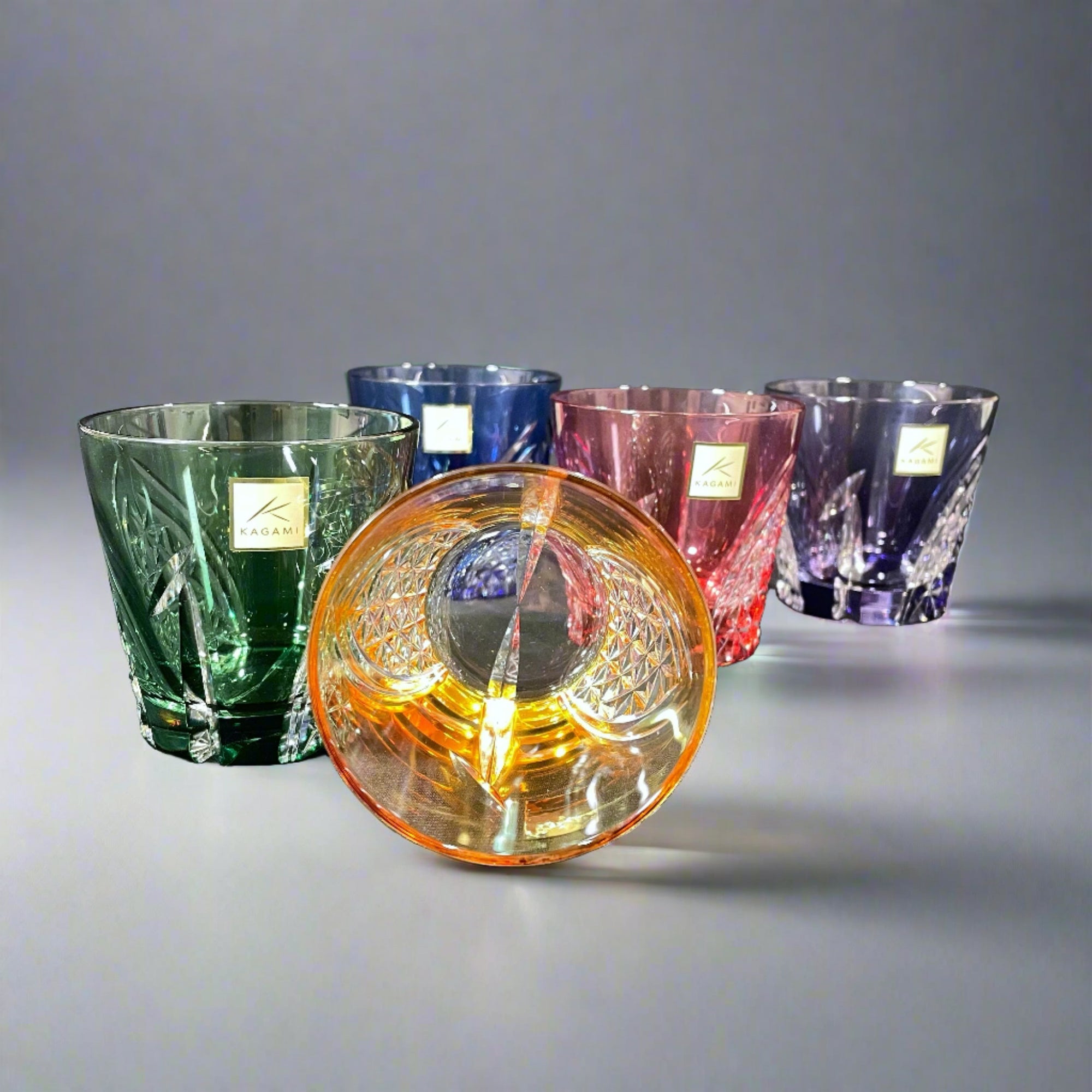
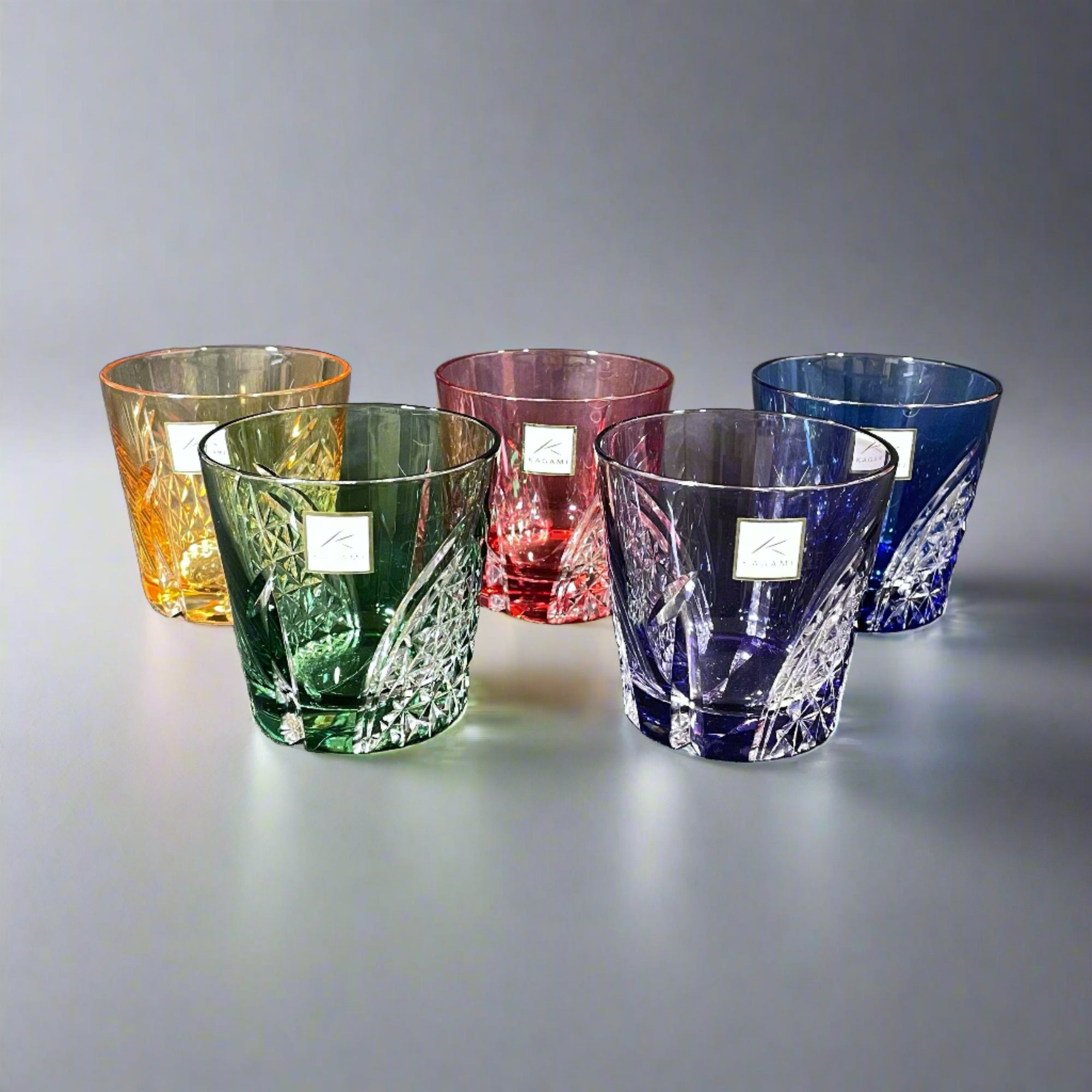
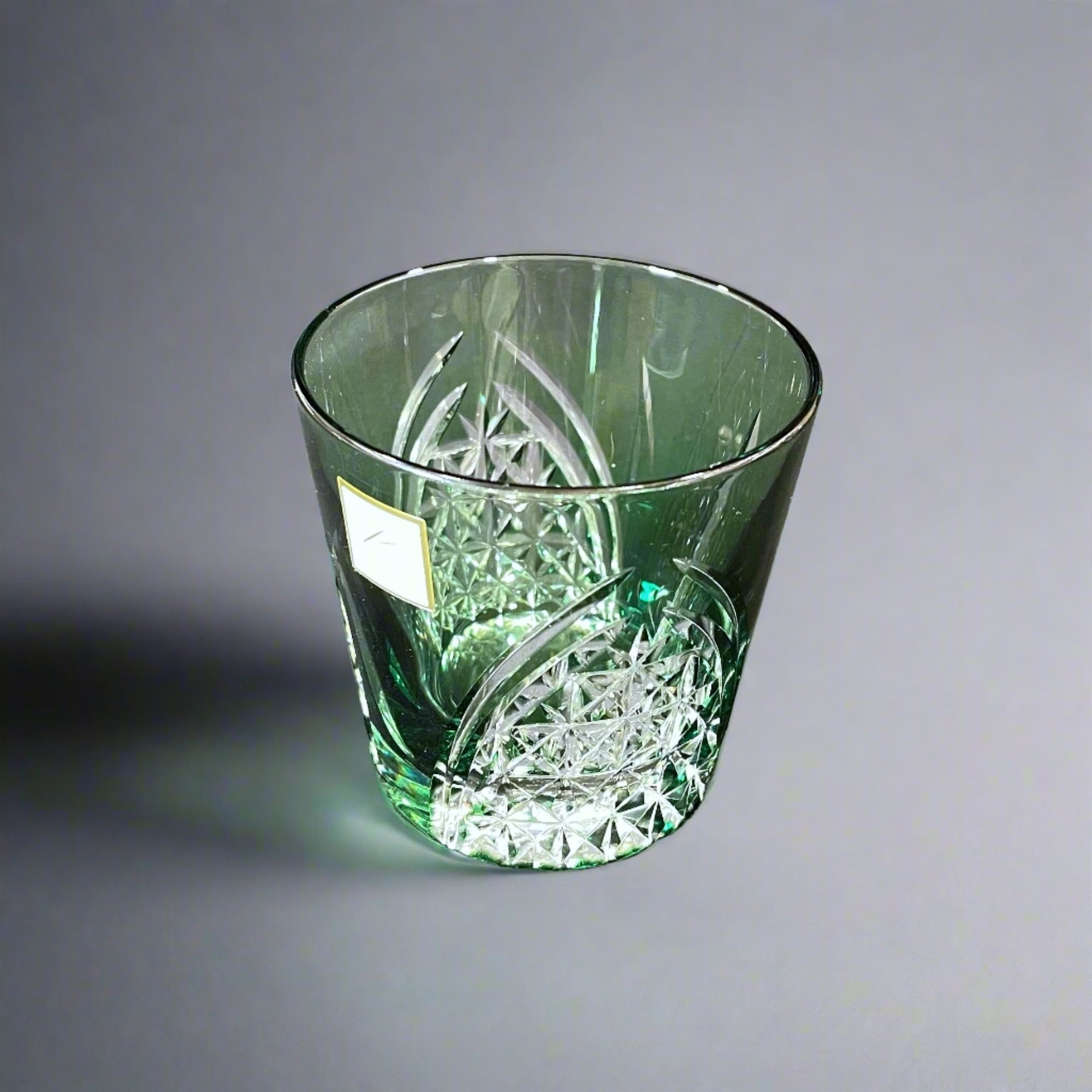
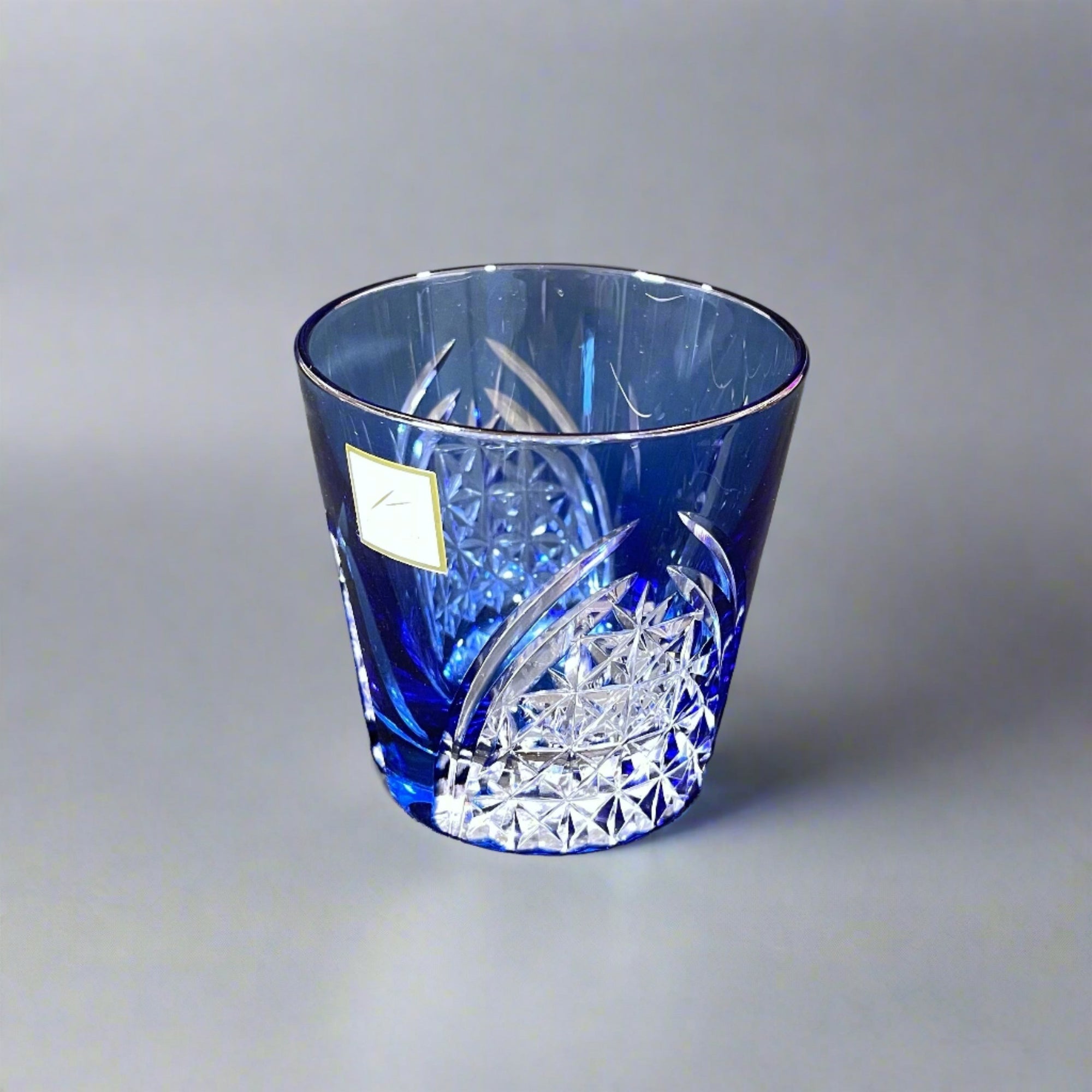
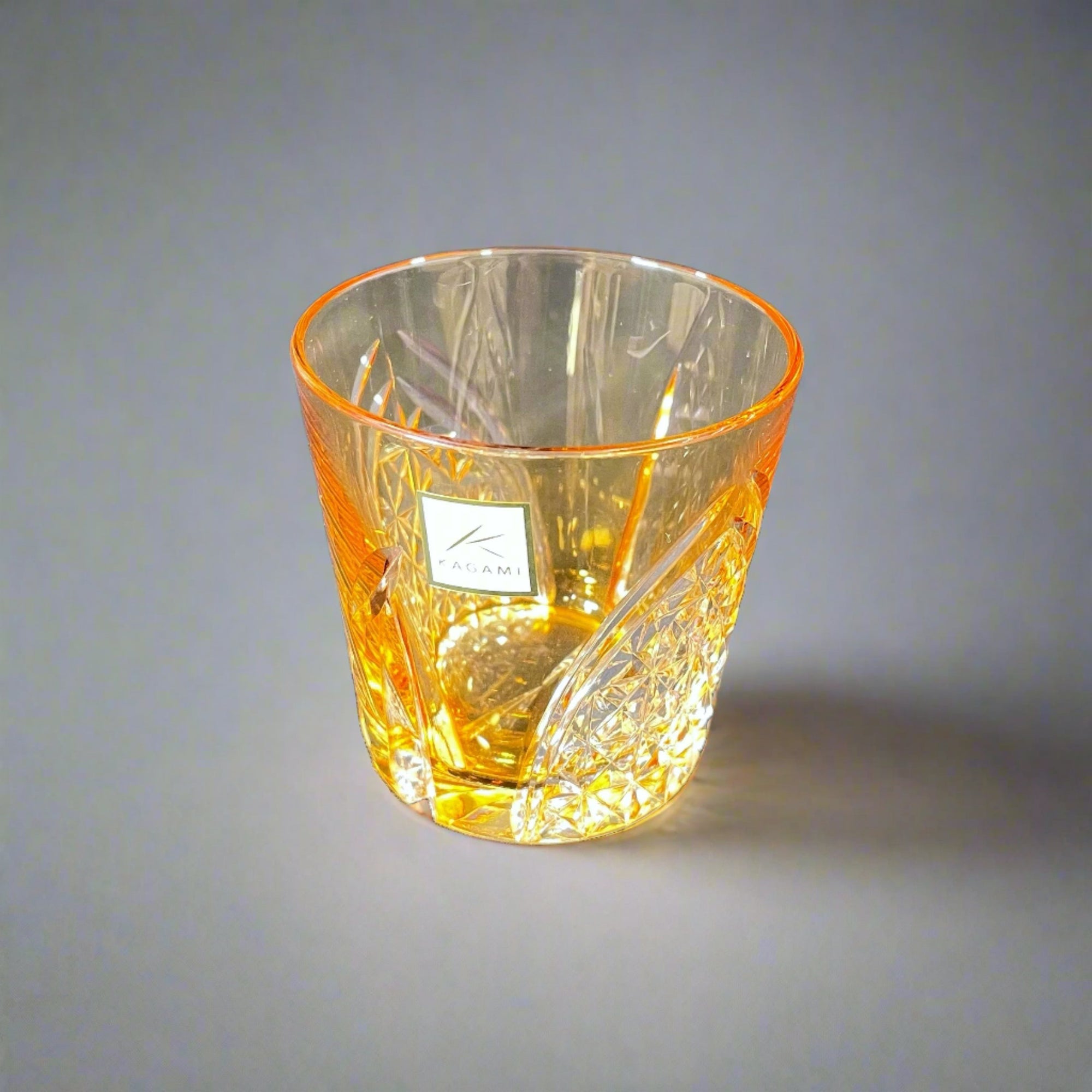
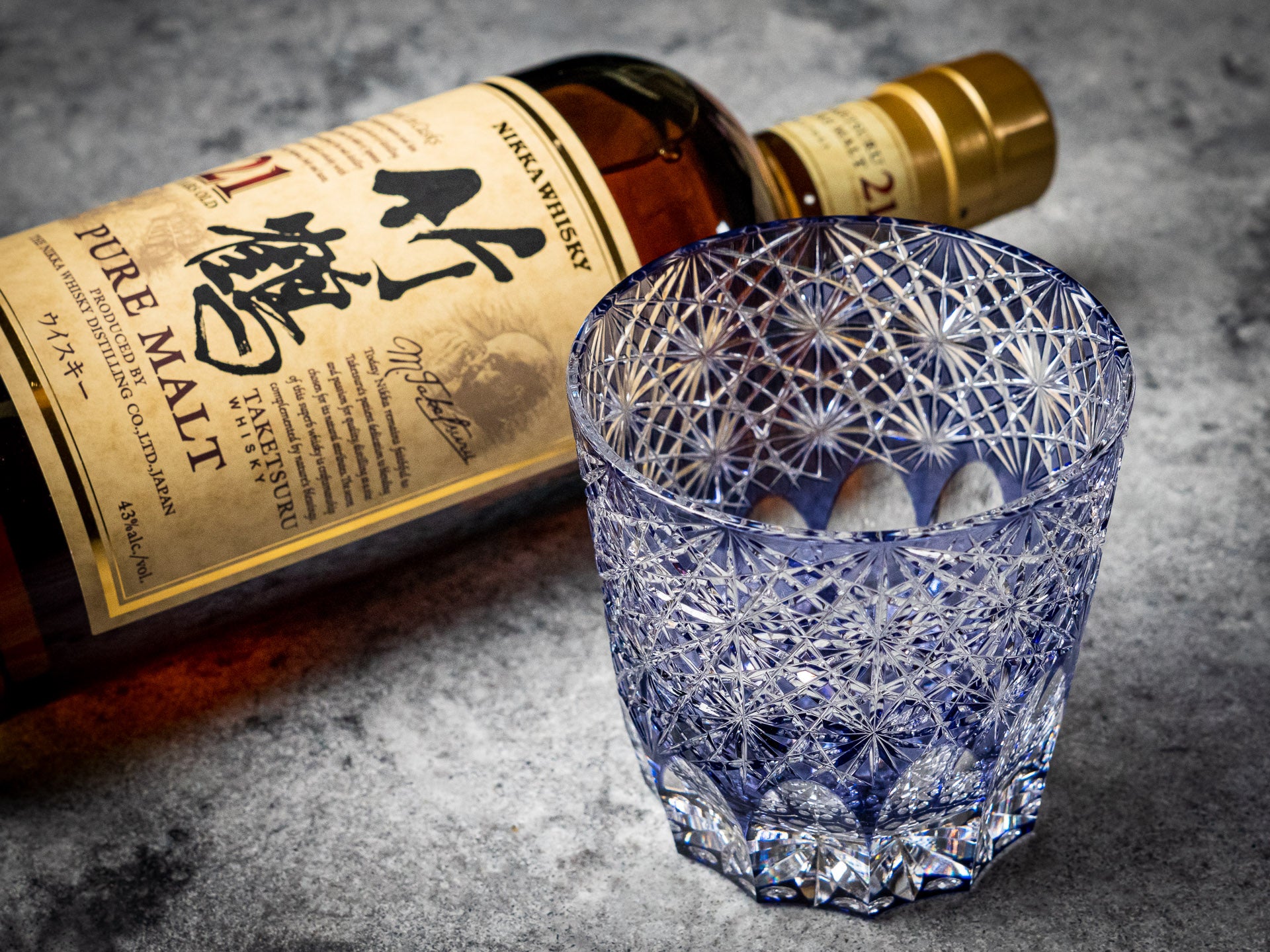
Edo Kiriko is hand-cut glass from Tokyo: a colour skin under 1mm thick is laid over clear glass, then ground away on spinning wheels so the pattern reads as bright clear lines through the colour.

Stories and guides

A short way into the makers, techniques and care behind what we sell.

Makers

  • Nousaku

    Nousaku is a metal foundry from Takaoka, Toyama Prefecture, founded in 1916, known for tableware cast in 100 per cent pure tin.
  • Kagami Crystal

    Kagami Crystal is a Tokyo-founded crystal house started in 1934 by Kozo Kagami as Japan's first factory built only for crystal; it now cuts Edo Kiriko at its own plant in Ryugasaki, Ibaraki.

  • Haku Glass

    Haku Glass is the Edo Kiriko brand of Tokyo craftsman Yoshihiro Mitamura, known for pairing delicate traditional patterns with bold, dynamic cuts.

  • Yamada Glass

    Yamada Glass is a four-generation Edo Kiriko workshop in Sumida, Tokyo, founded by Yamada Eitaro, who trained under a British instructor and developed his own flower-cutting technique.

  • Hirota Glass

    Hirota Glass is a Tokyo glassware house founded in 1899 by Kinta Hirota, now based in Sumida and known for Edo Kiriko cut glass alongside hand-blown tableware.

  • Nemoto Glass

    Nemoto Glass is a three-generation Edo Kiriko workshop in Koto ward, Tokyo, founded in 1959 by Nemoto Yukio, whose son and grandson now cut the whisky glasses we carry.

  • Nabetani Glass Crafts

    Nabetani Glass Crafts is a family Edo Kiriko workshop in Ota ward, Tokyo, founded in 1949, now led by Junichi Nabetani and his son Kaito as its third and fourth generations.

  • Asahido

    Asahido is a Kyoto ceramics house founded in 1870 at the approach to Kiyomizu Temple, still tracing its own history proprietor by proprietor and known today for Kiyomizu-yaki porcelain tableware.

  • Hatsukokoro

    Hatsukokoro is a Japanese knife brand that commissions its lines from named smiths and workshops in Takefu, Sakai and Kochi rather than forging from one house.

  • Nigara

    Nigara is a knife forge in Hirosaki, Aomori, tracing its roots back 350 years to swordsmiths of the Tsugaru Clan, now working mostly in SG2 and Aogami Super steel.

  • Sakai Takayuki

    Sakai Takayuki is a knife brand from Sakai, the Osaka cutlery city once known for swords, whose Damascus line comes from its own Aoki Hamono workshop.

Techniques and kilns

  • Edo Kiriko

    Edo Kiriko is hand-cut glass from Tokyo: a colour skin under 1mm thick is laid over clear glass, then ground away on spinning wheels so the pattern reads as bright clear lines through the colour.

  • Satsuma Kiriko

    Satsuma Kiriko is Kagoshima cut glass made by fusing a 1-5mm layer of colour over clear crystal and cutting through it so the colour fades into the clear in a gradation called bokashi.

  • Mino ware

    Mino ware is pottery from the Tono area of Gifu, Toki, Tajimi, Mizunami, Kani, and it names a place, not one style: Oribe, Shino, Ki-Seto and Setoguro all come from it.

  • Arita ware

    Arita ware is porcelain from Arita town, Saga Prefecture, generally told as the first porcelain made in Japan and once exported to Europe under the name Imari ware.

  • Kutani ware

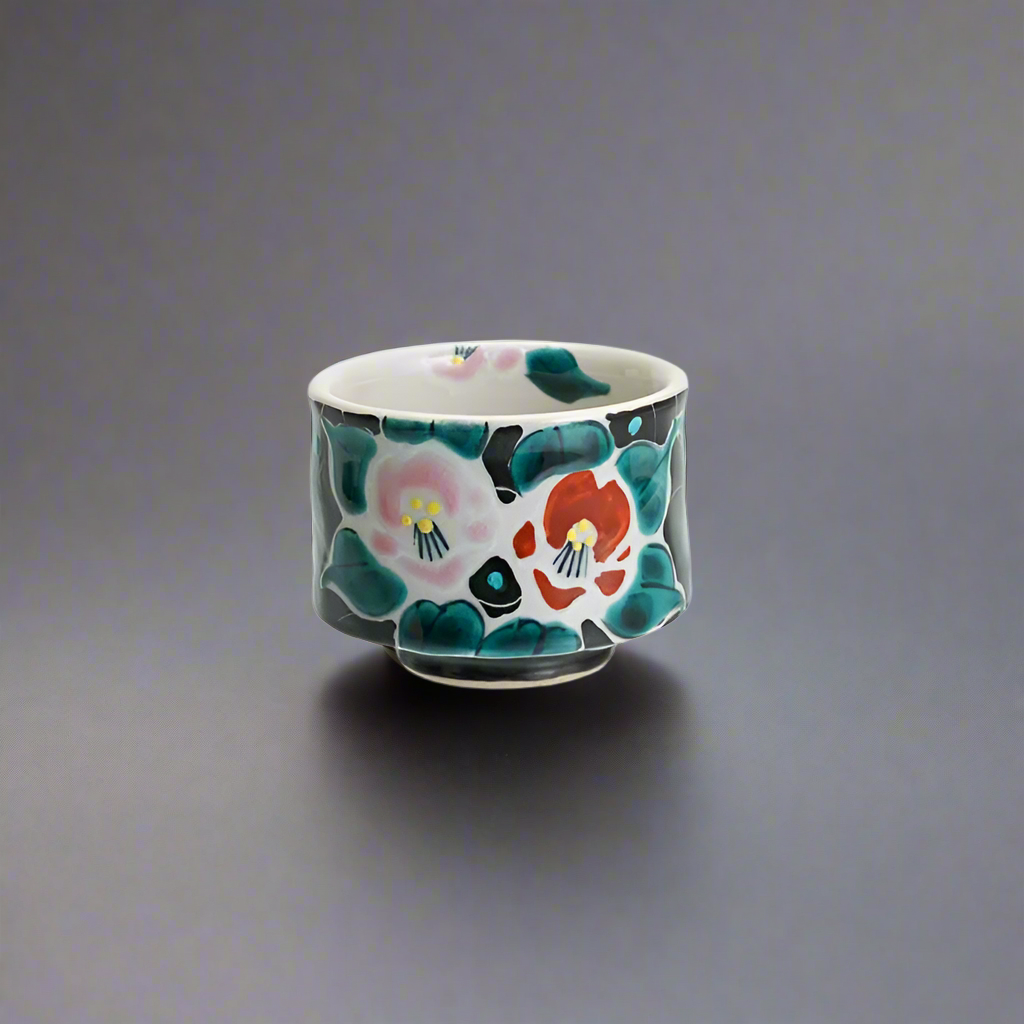
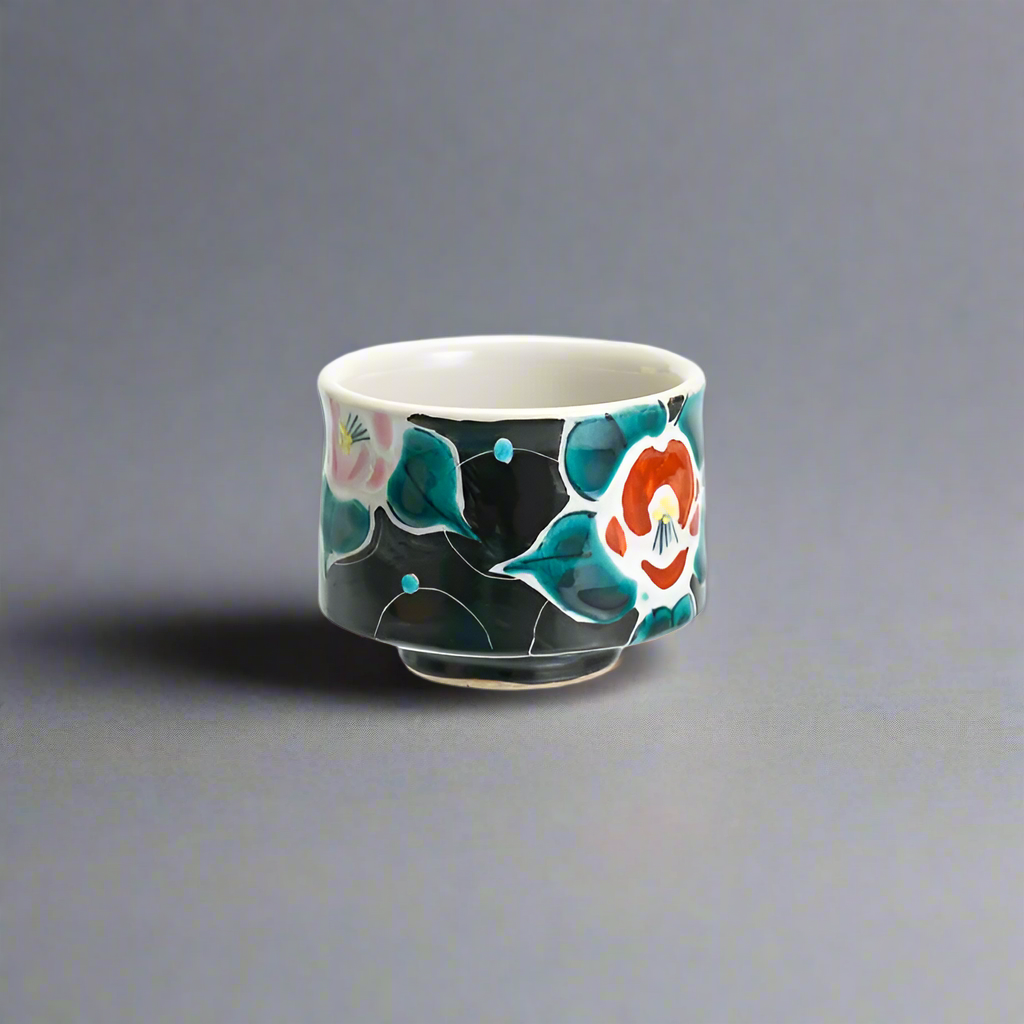
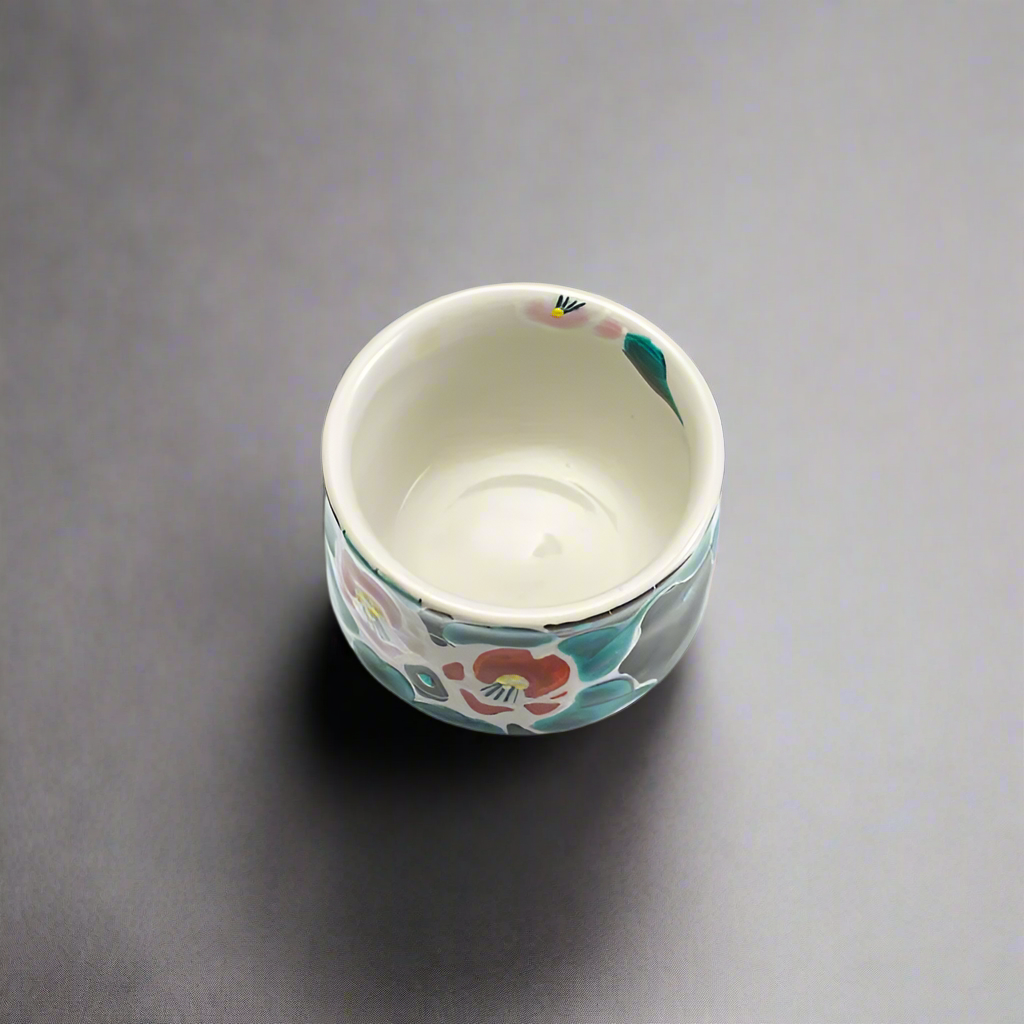
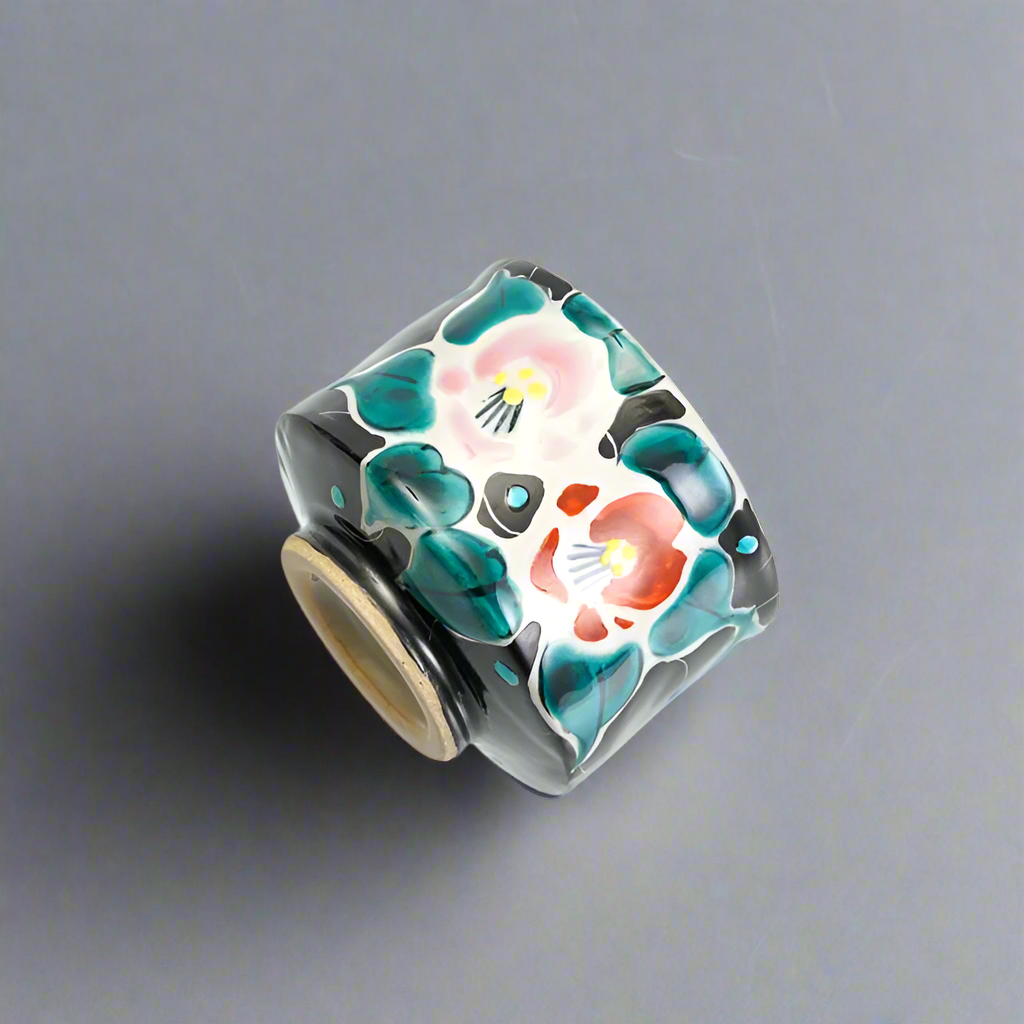
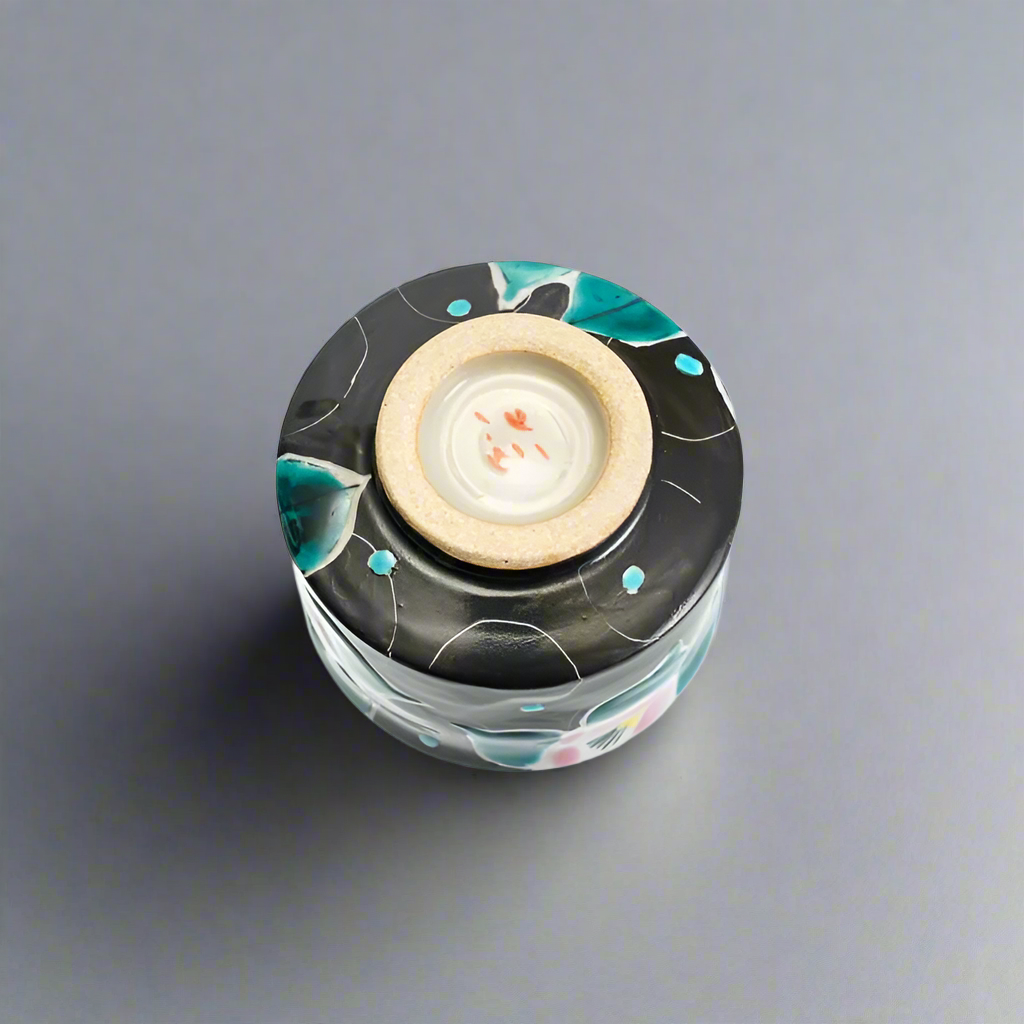
    Kutani ware is colour-glazed porcelain from Kutani, now part of Kaga in Ishikawa Prefecture, founded in 1655, known for gosai, five strong overglaze colours painted onto white porcelain.

  • Shigaraki ware

    Shigaraki ware is stoneware from Koka City, Shiga Prefecture, one of Japan's Six Ancient Kilns, fired without a glaze from clay unique to the old Paleo-Lake Biwa Formation.

  • Banko ware

    Banko ware is pottery from Yokkaichi, Mie, made with a petalite-rich clay that resists cracking under direct flame, which is why most Japanese donabe hot pots are made from it.

Objects and materials

  • Kyusu teapots

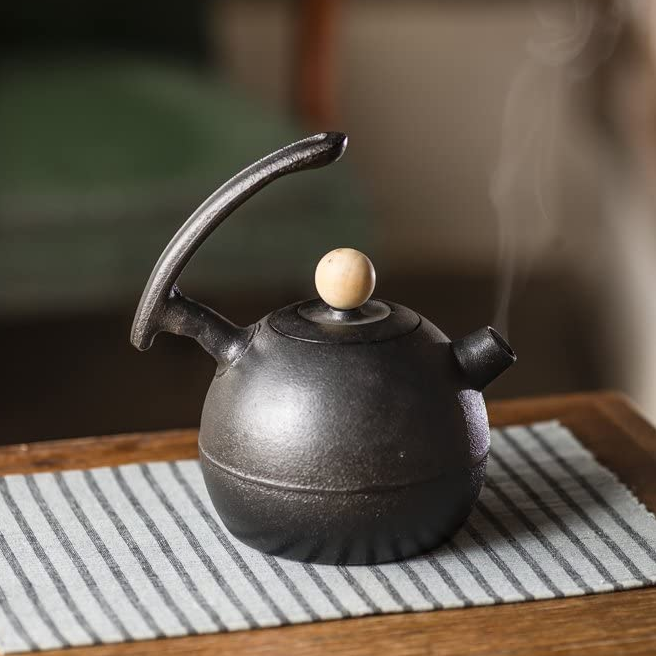
    A kyusu is a Japanese teapot built for brewing green tea, with a side handle and a built-in strainer; we stock several kiln styles rather than one house shape.

  • Sake cups and sets

    Sake cups split by shape and formality: ochoko and guinomi are for drinking, sakazuki is the ceremonial dish, masu is the wooden measuring box, and tokkuri is the flask you pour from.

  • Japanese plates

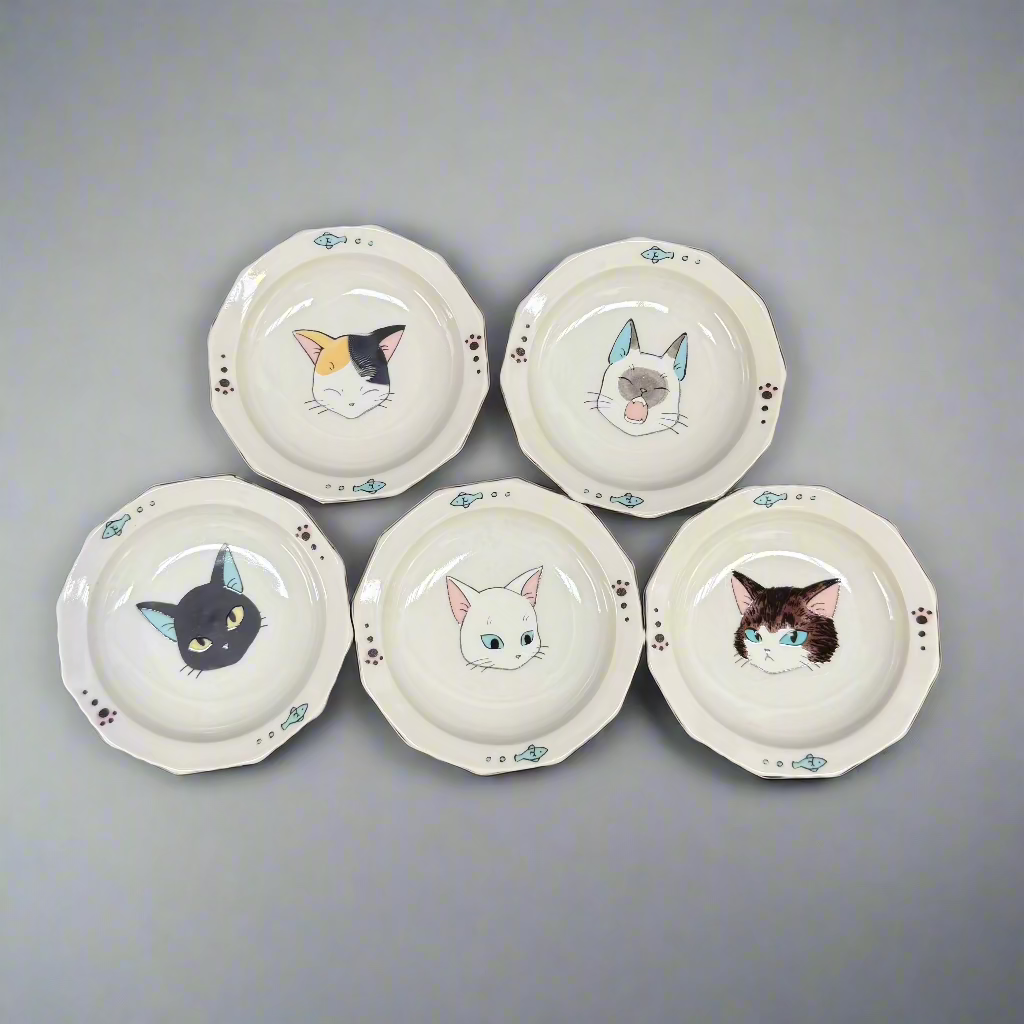
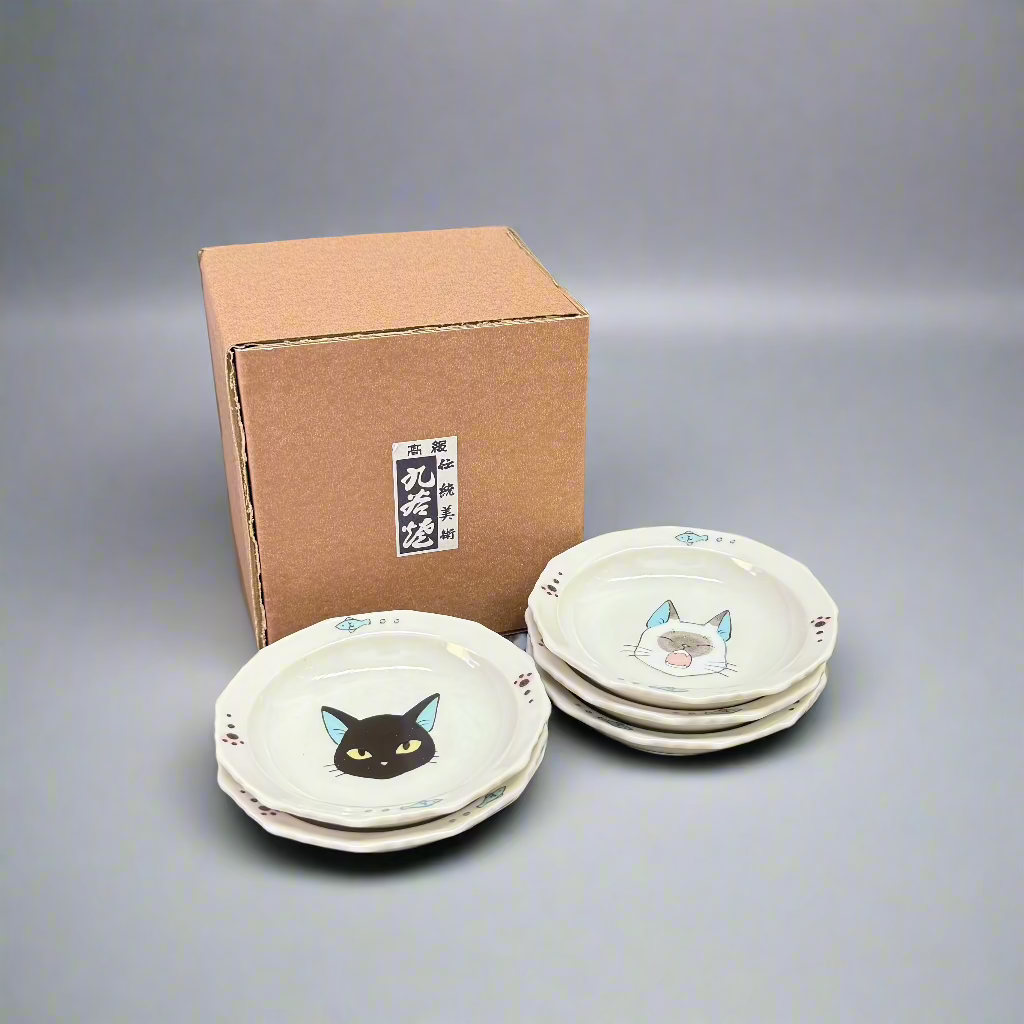
    Japanese plates are sized in sun, a unit of about three centimetres, from a small mamezara dish to a full dinner plate, and we stock several kiln traditions.

  • Japanese bowls

    Japanese bowls split by job rather than one shape, from the rice bowl lifted in one hand to the donburi and kobachi that stay on the table, and we stock several kiln traditions across all three.

  • Japanese teacups

    A yunomi is the everyday cup for steeped tea, a chawan is the wider bowl for whisking matcha, and the shorter kumidashi cup is the less casual one kept for gyokuro and high-grade sencha.

  • Japanese mugs

    A mug is a Western shape that several of the kilns we stock now make alongside their traditional teacups and bowls, in the same glazes and clay traditions.

  • Chopsticks

    Choose chopsticks by material first (everyday lacquer-coated wood, genuine urushi lacquer, or glass) and then by length, from about 21 to 25 centimetres for an adult pair.

  • Chopstick rests

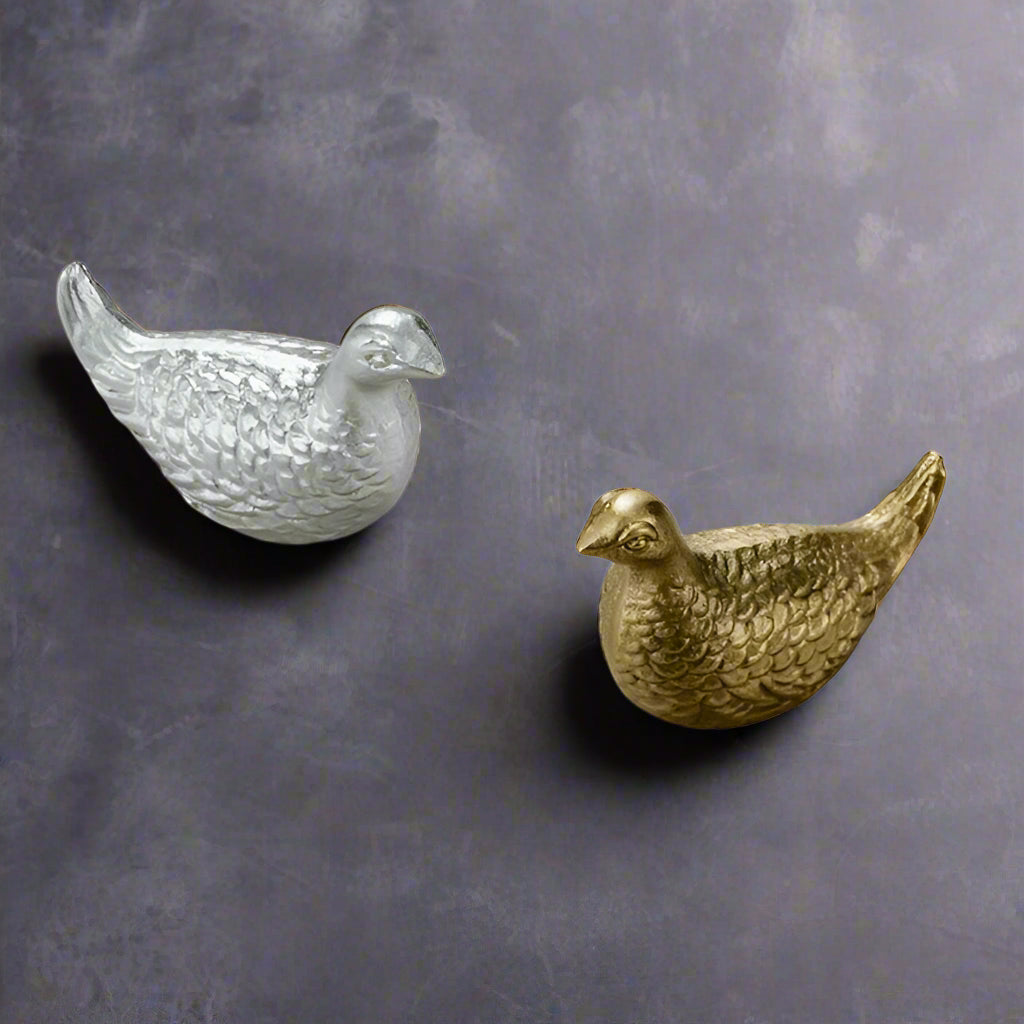
    A chopstick rest keeps the tips of your chopsticks off the table between bites, and we carry them mostly in hand-painted ceramic from several small potteries plus a pair of tin designs from Nousaku.

  • Incense holders

    An incense holder catches ash and holds a stick or cone steady while it burns, and ours range across brass and glass, cast tin, cast iron and handmade ceramic.

  • Lacquer (urushi)

    Urushi is a natural lacquer from the sap of the lacquer tree, brushed on in many thin coats and cured by humidity into a hard, glossy, waterproof surface.

Care

  • Washing and storing cut glass

    Wash cut glass by hand in lukewarm water with neutral detergent, work the cut faces with a soft brush, never use a dishwasher, and wipe it dry with a cloth before it air-dries.

  • Seasoning and using a donabe

    Season a new donabe once before you cook in it: simmer a thin rice porridge until it thickens, let it cool in the pot for an hour, then rinse and dry it upside down.

  • Using and cleaning a kyusu

    Warm a kyusu before brewing, empty it straight after pouring, rinse the strainer with plain water, then dry it fully with the lid off.

  • Cleaning a matcha bowl and whisk

    Rinse a matcha bowl in warm water right after use, and rinse the bamboo whisk in plain water without soap, drying it tip-down on a stand rather than in its box.

  • How to burn Japanese incense

    Light the tip until it flames, blow it out so it glows, then set it in a matching holder in a still spot away from curtains and never leave it unattended.

Stories

  • Kakumei in Braddon

    Kakumei is a homeware shop in Braddon, ACT, the sister store of Knives & Stones, run by the same owner who imports directly from Japan and travels there in person to choose everything on the shelf.

  • A day at the Satsuma Kiriko factory

    James Zhang spent an afternoon at the Satsuma Kiriko factory in Kagoshima on 27 October 2022, from the furnace to the finished shelf.

  • Three Edo Kiriko workshops in Tokyo

    James Zhang visited three Tokyo Edo Kiriko workshops, Rinzen and Tadano Glass in April and Haku Glass in June 2022, and this is what he saw at each.

Direct from Japan

At Kakumei, you can find everything from plates, bowls and mugs to glass and kitchen things. We carry Edo cut glass called kiriko among other pieces. Everything is imported directly from Japan by us, and owner James visits Japan to choose what we carry.

Inside the Kakumei shop, Lonsdale Street, Braddon. Photo: Cora.

The shop in Braddon

Unit 3, 32 Lonsdale Street, Braddon ACT 2612
Wednesday to Sunday, 10:30 to 4:30

Most of what is on the website is on the shelves here, so you can pick a glass up and hold it before you decide.

Photo: Cora.

Directions

Contact

02 - 8599 0898

Shopfront

Unit 3, 32 Lonsdale St, Braddon ACT 2612

Wed - Sun, 10:30am - 4:30pm

Makers we buy from